

Selecting a Bunk Bed
Bunk beds let kids share a room without sacrificing space or privacy. They can also help you save money on furniture. They are an excellent choice in healthcare facilities where bed configurations change frequently.
These beds can accommodate two full-sized mattresses or twin size mattresses with an option for a trundle (an optional add-on that is positioned under the lower bed). These beds are easy to clean and sturdy.
Size
Bunk beds are an effective method to reduce space and increase the utility of the space. They also allow greater flexibility in space design, and are perfect for smaller spaces. But, when choosing a bunk bed for your home, you should consider several aspects. Determine the space in your bedroom. Take into consideration the ceiling's height. A higher ceiling will require a taller bunk bed. Lastly, select a bed that has the correct size mattress to fit your space.
You can choose between straight ladders and an angled ladder for your bunk bed. Straight ladders are constructed directly into the frame and takes up only a small amount of space. However, an angled ladder will have a higher height and can be larger in size. Also, you should consider the safety features of a bunk bed, like slats or rails on the sides.
If you're seeking a stylish bunk bed, you can consider the L-shaped variant. This kind of bunk bed is great for siblings sharing a room and works well in corner spaces. It provides more privacy for each child and lets them create pillow forts. It's an excellent alternative to twin beds, which can be too small for older children.
Selecting the best mattress for your bunk bed is crucial to ensure that it's safe and comfortable. Most bunk beds use twin mattresses that are a great choice for toddlers as well as young adults. There are also large XL bunks that have two full-size beds and are ideal for teenagers or adults.
It is crucial to consider the initial cost of a bunk bed versus its long-term benefits when deciding on the best type for you. The best choice will ultimately depend on the demographics of your patients at your facility as well as size of the room. It's important to inspect and maintain your beds regularly regardless of the type of bed you select.
Single beds can limit the number guests that your facility can handle. However, they're ideal for nursing and rehabilitation facilities that have high turnover of patients. Additionally, they're cost-effective and offer a relaxing and comfortable environment for patients.
Design
Bunk beds come in a variety of styles and configurations to suit various needs. bunkbedsstore of the most sought-after designs include traditional bunk beds that have two same-size mattresses placed one on top of the other, twin over full or futon bunks, and L-shaped single bunks. The latter design works well for siblings sharing a room and can accommodate sleepovers. Bunk beds also have guardrails that stop children from falling off the upper levels. The spacing and height of the guardrails should meet safety standards to reduce fall risks by 30%. Additionally, bunk beds must be fitted with ladders that are easy to climb and sturdy.
A bunk bed can be a chic option for bedrooms and can help to create more storage space. Some models also have trundles that can be removed when not being used to create additional sleeping space. This is a great option for kids who love having guests to sleepovers with them, because it lets them have their own private space.
While bunk beds are a great option to save space in the bedroom, they do require more maintenance. They require more frequent cleaning and disinfection practices. They can also be difficult to clean, as dust and waste can accumulate in areas that are difficult to reach. However, these challenges can be averted by following the correct cleaning and maintenance practices.
Choosing the right furniture for your behavioral health facility can be challenging but knowing the difference between single beds and bunk beds can make the decision simpler. Single beds are more adaptable and flexible than bunk beds. They are therefore the best choice for a wide range of patient demographics. They are also more cost-effective than bunk beds, and can help you maximize the space you have in your room.
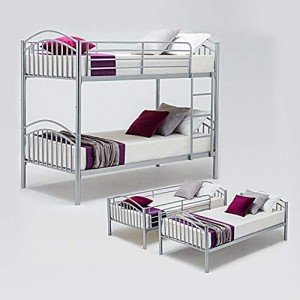
Single beds can also be used in conjunction with other furniture, including drawers and a desk to expand storage options. They are also ideal for shared rooms at rehabilitation and youth psychiatric centers. This kind of arrangement allows staff to accommodate more patients without increasing the size of the rooms. This can improve patient satisfaction and create a more comfortable atmosphere.
Safety
While bunk beds are a popular choice for families with multiple children, they can pose safety risks if not properly maintained and assembled. To reduce the risk, parents should adhere to the instructions of the manufacturer carefully and check them regularly to ensure that all components are secure. They should also educate their children about how to use the ladder and discourage climbing on the frame or using it as a play space. They should also teach that they should not hang toys on the guardrails as it could lead to strangulation.
The proper size bunk bed is essential to ensure safety. It should fit in the space in the bedroom of your child and be in keeping with their current decor, so it will be easy to clean. It should not be too high, however it could cause injury if a child falls asleep. It is recommended to discuss the bunk bed with your child's doctor to ensure it is appropriate for their age and height.
In addition to ensuring the bunk bed is of the correct size, you must take into consideration safety features such as the ladder and guardrails. The ladder should be secured and not be situated near hazards such as windows or heaters. The guardrails should be securely fixed and free of any gaps that could pose an entrapment threat. The ladder should also not be used for hanging clothes or other objects as this could lead to strangulation.
Bunk beds can be a great solution for kids who share a room but do not have enough room for separate beds. They can save money as well as create a fun atmosphere in their room. However it is essential to remember that bunk beds can be more difficult to maintain and clean than single beds because they place additional stress on the structure. They require regular maintenance and inspections to avoid structural issues.
Bunk beds aren't suitable for all children, particularly those with health issues or mobility issues. They can be challenging to climb and descend and can result in serious injuries if they're not properly maintained. If they are not properly positioned they could also lead to structural issues and mattress that are sagging. Those with special needs may find it easier to sleep in a single bed or on an individual sofa bed.
Cost
Bunk beds are a great way to save space in your home, and they can also add an element of entertainment. They are available in a variety of styles and can be customized to fit your family's needs. There are bunk bed designs that are compatible with the decor of your home or even a specific theme. The price of a bunk bed depends on the dimensions, style and materials that are used. You can also pick from a range of brands and retailers, so that you can choose a bed that is suitable for your budget.
While many think of bunk beds as siblings, they are becoming popular for homes with only one child. They can be a great method to make space and are ideal for bedrooms for children. Most major furniture stores sell them at a lower price than single beds. They can be constructed using a basic design, or you can go all out and create a more elaborate appearance.
The price of a bunk bed can differ, based on the size and design of the frame and ladder. You can pick from various paint finishes and materials like wood and metal. You can also pick a bunk bed that has built-in shelves that can be used to store books and toys. Some bunk beds have ladders with angled angles that take less space than straight staircases. Some bunk beds have safety railings that prevent children from falling off of their beds while asleep.
Efficient use of space and thoughtful design are critical in the design of behavioral health facilities. This can help ensure an environment that is safe and comfortable for patients and their families. This can help reach clinical goals and ensure the highest quality of care. Bunk beds can be used for both children and adults in a behavioral health setting.
Bunk beds are a great way to maximize vertical space in dorms and shared rooms. They can also create more area to accommodate additional furniture or spaces for activities. They are an excellent option for students and military barracks where space is at a premium.